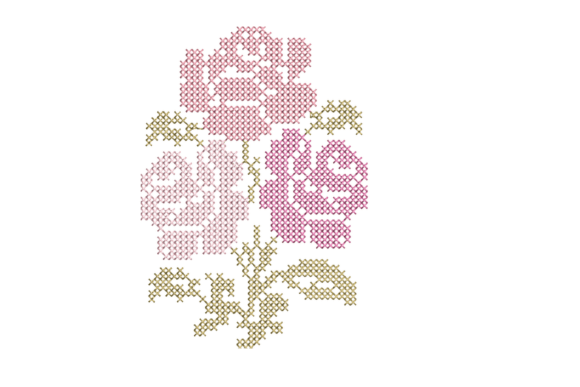
Rose Cross-Stitch Embroidery Design Review
As an embroidery designer with years of experience testing and using various embroidery files, I’ve come across countless floral patterns. The Rose Cross-Stitch Embroidery Design stands out not for its complexity, but for its thoughtful composition and classic elegance. This design is part of the Floral Garden collection and fits neatly into the broader category of cross-stitch embroidery. But how does it perform in real-world projects? Let’s take a closer look.
First Impressions: Romantic and Timeless
The moment I opened the digital file for the Rose Cross-Stitch Embroidery Design, I was struck by the soft curves and layered petals that give the rose a lifelike feel. It has a hand-drawn charm without being overly intricate, which makes it versatile enough for both machine embroidery and more delicate handmade work. The layout feels balanced—neither too cluttered nor too sparse—and the overall theme evokes a sense of romance and tradition.
What I appreciate most is how the design maintains visual interest through subtle shading and texture variations in the petals. These details aren’t overwhelming, yet they add depth and make the finished product feel intentional. For someone running a craft business or selling personalized gifts on Etsy, this kind of nuance can significantly enhance the perceived value of the item.
A Natural Fit for Which Projects?
- Tote bag designs: The size and detail of the rose suit larger surfaces well, especially if you’re aiming for a boutique-style look.
- Sweatshirt embroidery: A single rose could serve as a focal point on a crewneck or hoodie, particularly for holiday gifts or women’s fashion items.
- Baby clothes: With some simplification, this pattern could be adapted for a gentle nursery-themed garment or blanket.
- Pillow covers: The romantic aesthetic aligns perfectly with home décor, making it ideal for adding a decorative touch to throw pillows or cushions.
- Embroidered patches: If scaled down, the design could function as a charming applique on denim jackets or backpacks.
Real-World Performance: Stitching Clarity and Fabric Considerations
In practical terms, the Rose Cross-Stitch Embroidery Design delivers a clean stitch-out when used on mid-weight cotton or linen blends. The cross-stitch technique ensures even coverage and minimizes distortion, which is always a concern when working with stretchy or thin materials. That said, the level of detail requires attention to stabilizer use and hoop size.
I tested the design on a few different substrates before finalizing any project. On a medium-weight cotton sweatshirt, the rose came out beautifully, with each petal clearly defined. However, when I tried it on a sheer lace fabric, the fine lines of the cross-stitch became less distinct, and the design lost some of its impact. This tells me that while the design is flexible, it’s not universally suited for every material.
If you're planning to use this design on a curved surface like a cap or hat, keep in mind that cross-stitch patterns are best reserved for flat areas. Curved stitching can cause puckering or uneven tension, so it's worth considering a simpler version or placing the design where the surface is relatively flat.
Thread Colors and Visual Appeal
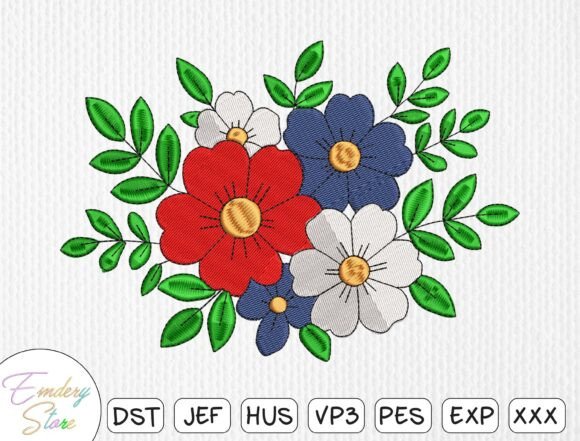
One standout feature is the thoughtfully chosen thread colors. The palette includes soft pinks, deep reds, and muted greens that mimic the natural gradient of a rose. This adds a layer of sophistication and helps the design stand out on lighter-colored fabrics.
However, if you're working with darker backgrounds, the contrast might need tweaking. I recommend doing a test run on similar fabric to ensure the color scheme remains visible and appealing. Some embroiderers may also want to experiment with black-and-white mockups to assess how the design will appear under low-light conditions or when printed digitally as part of printable mockups or design assets for online listings.
Where to Use Carefully
While the Rose Cross-Stitch Embroidery Design is visually pleasing, there are a few situations where extra care is needed:
- Small hoop sizes: The detailed nature of the rose means it won't look as crisp if forced into a tiny space. Always check the recommended hoop size (if available) or do a test stitch on a smaller area first.
- Textured or stretchy fabrics: These can distort the cross-stitch pattern, especially in the tighter sections near the center of the flower. A firm stabilizer is essential here.
- Dense stitch areas: The inner parts of the rose require close stitching, which may lead to stiffness if not properly managed. This is important for products like baby clothes or tea towels that need to remain comfortable and flexible.
- Products requiring frequent washing: High-density stitching and certain thread combinations can fade or pill over time. Choose high-quality threads and consider pre-washing your fabric if durability is key.
Design Notes for Real Project Use
Here are a few tips based on my hands-on experience:
- Test on scrap fabric before committing to a client order or batch production.
- Review stitch density settings to avoid overstuffing or under-stitching, especially on delicate or stretchy materials.
- Confirm hoop size recommendations from the supplier to prevent shifting during stitching.
- Inspect small details, such as the stem or leaf edges, to ensure they hold up after multiple passes.
- Use proper stabilizer, especially on lightweight or woven fabrics. Tear-away alone may not be sufficient for the finer elements.
- Check whether the design works for both personal and commercial embroidery—some free files have restrictions that could affect resale or bulk production.
- Confirm licensing if you plan to sell finished items or include the design in digital product kits for other makers.
Customer Reactions and Marketability
From a marketability standpoint, the Rose Cross-Stitch Embroidery Design is a winner. Customers often gravitate toward floral motifs for their timeless appeal, and this one has just the right amount of detail to feel special without being fussy. As an Etsy seller or handmade shop owner, you’ll find this design adds a refined touch to custom apparel and accessories.
When I added the rose to a tote bag design for a client, the feedback was overwhelmingly positive. The design elevated the product from a basic canvas bag to something that felt curated and professional. Buyers noted the craftsmanship and asked about the possibility of matching napkins or kitchen towels—proof of how this design can inspire brand consistency across multiple items.
It’s also great for holiday gifts and personalized products. Think of it paired with names or dates in a complementary font—this would make a stunning wedding gift or anniversary present. Just be cautious with tiny lettering or very detailed corners; the cross-stitch style doesn’t handle extreme miniaturization well.
Professional Presentation and Brand Recognition
For small shop products or nursery decor, this design contributes to a cohesive brand identity. Its classic Floral Garden theme aligns with brands that focus on vintage-inspired, artisanal, or minimalist aesthetics. When stitched cleanly and placed thoughtfully, the rose becomes a signature element that customers begin to associate with your work.
On commercial embroidery projects, the design’s clarity and adaptability help maintain professionalism. It’s not too “crafty” for a boutique line, nor too simple for a high-end embroidered patch or luxury accessory. The balance between detail and simplicity makes it suitable for a wide range of audiences.
Final Thoughts for Makers and Entrepreneurs
Overall, the Rose Cross-Stitch Embroidery Design is a reliable choice for those looking to incorporate a romantic, elegant motif into their embroidery projects. It performs well on stable, medium-weight fabrics and adapts nicely to a variety of product types, from sweatshirts to pillow covers. Its charm lies in the subtle gradients and structured form of the rose, which gives it a timeless feel that resonates with buyers.
That said, don’t overlook the importance of preparation. Test stitch counts, thread visibility, and fabric behavior before launching into a full production run. For digital embroidery files, ensure you understand the limitations—especially regarding machine embroidery design compatibility and license usage.
If you’re in the process of building your craft business or expanding your small shop product offerings, this design can help you create unique, high-value items that speak to your brand’s personality. Just remember: the success of the finished product depends not only on the design itself but on how well you apply it to the right context.