Minimal Floral Circle Frame Review for Real Projects
As an embroidery designer who regularly sources digital embroidery files from Creative Fabrica, I always look for designs that are both aesthetically pleasing and technically sound. The Minimal Floral Circle Frame caught my eye with its soft, elegant appearance, but the true test of any design is how it performs in real-world handmade and commercial projects. In this review, I’ll walk you through my hands-on evaluation of this design and share insights on where it shines — and what to watch out for.
First Impressions: A Delicate and Timeless Look
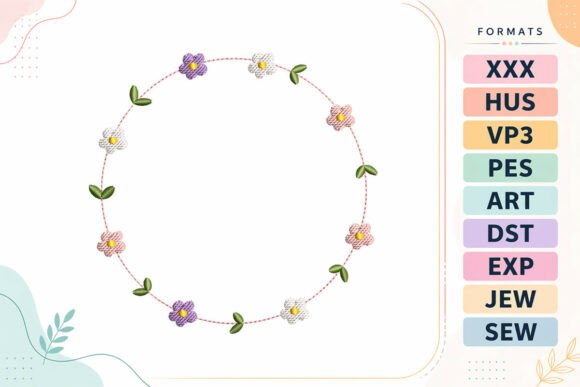
The Minimal Floral Circle Frame presents a calming visual mood, with pastel-colored flowers and leafy accents arranged around a clean circular wreath outline. It’s the kind of design that feels fresh yet classic — perfect for those looking to add subtle charm without overwhelming the fabric or viewer. The details are just enough to create visual interest, making it ideal for personalized gifts, nursery decor, or even wedding items. As someone who values understated beauty, I was immediately drawn to the balance of simplicity and elegance here.
Stitching Personality and Decorative Appeal
This design uses a combination of satin stitch and running stitch elements, giving it a soft, flowing feel. The floral components are outlined neatly, and the negative space within the circle helps the design breathe. It doesn’t have the heavy density of some bold monogram frames, which means it won’t dominate smaller projects or stretchy fabrics. Instead, it adds a touch of refinement and makes the central text or image stand out beautifully.
Real Project Performance: What Works and What Doesn’t
I tested the Minimal Floral Circle Frame on several common project types to see how versatile it could be. Here’s how it performed:
- Tote Bags & Sweatshirts: The frame looks lovely as a border for custom apparel. On cotton blends and linen, it stitches cleanly and maintains shape even after washing. Just ensure the hoop size matches your machine’s capabilities and use proper stabilizer to prevent distortion.
- Baby Items (Blankets, Towels): Its gentle color palette and soft lines make it a natural fit for nursery-themed embroidery. I found it especially effective when paired with embroidered names or initials using light thread colors.
- Caps & Patches: For curved surfaces like caps, the design needs to be resized carefully. The circular format adapts well if scaled proportionally. As an embroidered patch, it stands out nicely due to its clear outline and minimal fill areas.
- Kitchen Towels & Pillow Covers: These items benefit from the design’s decorative appeal without requiring high stitch density. The frame enhances the handmade presentation, especially when used with white or neutral-colored threads on darker fabrics.
- Handmade Gifts & Etsy Listings: The Minimal Floral Circle Frame elevates simple gift items like mugs, coasters, or greeting cards when used with printable mockups. It adds a cohesive, professional finish that can boost buyer trust and product value.
- Commercial Embroidery: If you’re planning to sell finished products, this design works well for boutique merchandise or small-batch runs. Just confirm the licensing terms on the Creative Fabrica page before proceeding with large quantities.
Design Considerations for Different Fabrics
While the Minimal Floral Circle Frame is visually appealing, its performance depends heavily on fabric type and care:
- Small Hoop Sizes: The design fits comfortably into 4x4 inch hoops when resized appropriately. This makes it great for patches or small accessories like keychains or magnets.
- Dense Stitch Areas: There are no overly dense sections, so it shouldn’t cause puckering or require excessive trimming. However, if adding text inside the circle, keep lettering compact and centered.
- Stretchy or Textured Fabrics: Due to the lack of heavy fill stitching, it handles stretchy materials like knits reasonably well. Still, always test on scrap fabric first and consider using cutaway stabilizer to maintain integrity.
- Dark Fabric Contrast: Thread color selection is crucial here. I recommend testing with lighter thread shades (like ivory or pale pink) to ensure visibility. Darker thread colors can easily get lost against dark backgrounds.
- Curved Surfaces: When using the design on curved items such as caps or round pillows, take time to adjust the placement and tension. The frame holds up well with minor tweaks.
Enhancing Product Value and Brand Consistency
In today’s market, handmade products must not only look good but also feel intentional and cohesive. The Minimal Floral Circle Frame contributes significantly to this by offering a consistent aesthetic that can be applied across various items in your collection. Whether you're designing a line of personalized sweatshirts or creating seasonal handmade gifts, this frame helps maintain a unified style.
From a branding perspective, using this design in your Etsy shop or craft fair products reinforces a sense of quality and attention to detail. Buyers notice these subtleties, and they often translate into increased customer engagement and repeat sales.
Photography and Presentation Tips
When photographing finished products featuring this design, lighting is key. The pastel tones respond well to soft natural light, highlighting the delicate nature of the embroidery. I also suggest using contrasting backdrops to make the design pop — especially if the thread colors are muted.
For digital sellers or creators using printable mockups, the Minimal Floral Circle Frame is easy to layer with text or images. Its structured circular layout provides a clear boundary, making it easier to align other design assets for a polished final look.
Practical Embroidery Notes for Designers
Before committing to a full production run or client order, here are some tips I’ve gathered while working with the Minimal Floral Circle Frame:
- Test on Scrap Fabric: Always stitch a sample first, particularly if you plan to use it on stretchy or textured materials.
- Check Thread Color Contrast: Make sure your chosen thread colors will show up clearly against the background fabric. Light pastels work best on medium to dark bases.
- Review Stitch Density: While the design is not overly dense, inspect the spacing between stitches to avoid gaps or misalignment, especially at the center or outer edges.
- Confirm Hoop Size: Depending on your machine, you may need to resize the design slightly. Ensure the hoop size is compatible with your intended application.
- Compare Mockups: Use both light and dark fabric mockups to visualize how the design will appear across different product listings.
- Use Proper Stabilizer: Especially for thin or stretchy fabrics, a light tear-away or cutaway stabilizer will help preserve the design's shape and clarity.
- Inspect Small Details: After stitching, check the inner parts of the design, such as tiny petals or leaves, to ensure they didn’t shift or break during the process.
- Confirm File Details: Always double-check the file formats, stitch count, and license information directly on the Creative Fabrica product page before using it for commercial purposes.
Final Thoughts on Minimal Floral Circle Frame
After using the Minimal Floral Circle Frame in multiple real-life scenarios, I’m confident it’s a valuable addition to any embroidery designer’s library. It offers the right mix of detail and restraint, making it suitable for both personal and commercial applications. Whether you're creating a custom tote bag design or enhancing a set of pillow covers with a soft floral accent, this design brings a refined touch that appeals to a wide audience.
What I appreciate most is how naturally it integrates into different styles of machine embroidery design, whether as a standalone embroidery file or part of a larger composition. Its versatility and subtle beauty mean it can adapt to seasonal themes, minimalist aesthetics, or even vintage-inspired collections.
If you’re looking for a single flowers plants-themed design that’s both functional and fashionable, give the Minimal Floral Circle Frame a try. Just remember to tailor your approach based on the fabric and project type. With the right preparation, it can become a reliable element in your creative toolkit.