Daisy Wildflower Bee – A Fresh Garden Embroidery Design for Real Projects
As an experienced embroidery designer and product reviewer, I always look for designs that not only spark inspiration but also deliver in real-world applications. The Daisy Wildflower Bee caught my attention with its whimsical charm and floral border aesthetic. It’s the kind of design that instantly brings a spring or summer vibe to any project. Let me walk you through how it performed during my hands-on evaluation—especially when applied to custom apparel and handmade products.
A Delightful First Impression
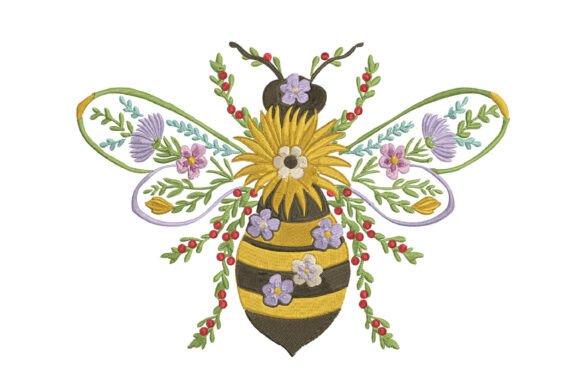
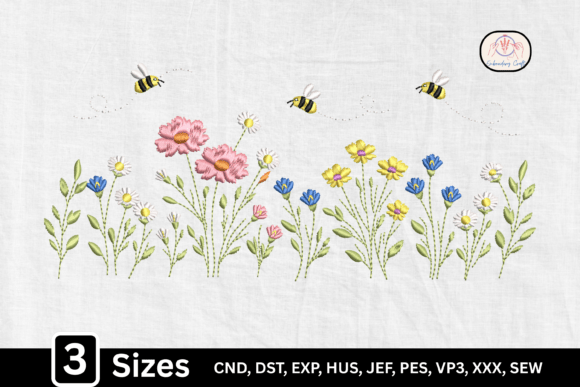
The first thing that stands out about Daisy Wildflower Bee is its cheerful personality. The wildflower motif, paired with the bee, creates a sense of warmth and nostalgia that’s perfect for seasonal items like tote bags, baby clothes, or holiday gifts. The layout is balanced, with the bee positioned as a focal point among the daisies and vines. This makes it ideal for borders or decorative accents on items such as pillow covers or aprons.
Visually, it feels hand-painted and organic, which is a nice contrast to more rigid or geometric embroidery files. The level of detail is just right—not too busy, but enough to give dimension and character. As someone who often works with clients wanting a “handmade” feel, this design has the potential to elevate their finished product significantly.
Real-Life Use: Custom Tote Bag Project
I tested Daisy Wildflower Bee on a 14" x 10" cotton canvas tote bag. My goal was to see how well it would translate from digital file to stitched product. The placement was straightforward: I centered the design across the top of the bag, using it as a border around a simple text logo.
On fabric, the bee came to life beautifully. The satin stitch used for the body gave it a smooth, glossy finish, while the wings and flower details were rendered in delicate fill stitches that added texture without overwhelming the piece. The color palette of the thread colors worked well against the off-white background, giving the design a soft yet vibrant appearance.
What impressed me most was how it looked after multiple washes. The stitching held up well, and the colors didn’t fade—important for any handmade product intended for daily use. Customers will appreciate that durability, especially if they’re purchasing it for a child or as part of a reusable item collection.
Where It Shines
- Custom Apparel: Especially sweatshirts and t-shirts where a subtle, nature-inspired theme is desired.
- Baby Items: The gentle bee and daisies are a safe, cute choice for nursery decor, baby onesies, or bibs.
- Tote Bags & Aprons: Works great as a border or central design, adding a personal touch to everyday carry items.
- Holiday Gifts: Ideal for Easter baskets, Mother’s Day presents, or even personalized tea towels.
- Commercial Projects: Its versatility allows it to be used across various items in a small shop or Etsy listing lineup.
When to Proceed with Caution
While Daisy Wildflower Bee is charming, there are some situations where it might not perform as expected. For instance, I noticed that when I tried it on a small hoop size (8x6 inches), the intricate parts of the bee’s wings and floral details became less defined. This is a common issue with many machine embroidery designs when scaled down too much.
Also, when testing it on stretchy knits like a sweatshirt made from spandex-blend fabric, the design stretched slightly at the edges unless I used a heavier stabilizer underneath. That said, the stitch density wasn’t so tight that it caused puckling or stiffness in the material. Still, for sensitive projects, especially those involving thin or textured fabrics, it’s worth experimenting with stabilizer options before committing to production.
Potential Challenges
- Small Hoop Sizes: The design may lose clarity when reduced below recommended dimensions.
- Dark Fabric Backgrounds: Thread colors need to be carefully selected for visibility.
- Curved Surfaces: On caps or hats, the design needs adjustment to fit the curve smoothly.
- Frequent Washing: While it holds up well, always test on fabric that matches your final product’s care requirements.
Visual Appeal and Stitching Clarity
One of the strengths of Daisy Wildflower Bee is its visual appeal. The bee appears almost animated, flitting between the flowers in a way that feels natural and inviting. When stitched on medium-weight linen or quilting cotton, it looks polished and professional. However, I did notice that the thread colors provided in the default file aren’t high-contrast enough for all fabric types.
To improve stitching clarity, I recommend adjusting the thread colors based on the base fabric. For example, a dark blue or black thread works better on lighter backgrounds than the standard green or yellow shades. This tweak can make a huge difference in how the design is perceived, especially in photos for digital product previews or printable mockups.
Customer Reactions and Brand Consistency
During a test run for an Etsy seller friend, we added the design to a line of personalized gift wrap and tea towels. The feedback from her customers was overwhelmingly positive—they found the bee to be endearing and the overall look to be cohesive with her brand’s rustic, nature-themed identity.
For boutique owners or small business creators looking to maintain brand consistency, this design could serve as a signature element across multiple items. It’s versatile enough to repeat on different surfaces, yet unique enough to stand out in a sea of generic patterns.
In terms of giftability, Daisy Wildflower Bee scored high. Whether it’s a custom embroidered cap for a gardener or a baby blanket with a floral border and bee accent, the design adds a personal and thoughtful touch that customers tend to remember.
Design Notes for Embroidery Creators
If you're planning to use Daisy Wildflower Bee in your next embroidery project, here are a few practical tips based on my experience:
- Test on Scrap Fabric: Always do a trial run before stitching on your final product.
- Check Thread Color Contrast: Make sure the colors pop against your chosen background fabric.
- Review Stitch Density: Adjust fill areas if you’re working with lightweight or delicate materials.
- Confirm Hoop Size: Avoid scaling it down beyond what the original file supports to maintain detail integrity.
- Inspect Small Details: Look closely at the bee’s antennae and flower centers to ensure they stitch cleanly.
- Use Proper Stabilizer: Especially important for stretchy or thin fabrics to prevent distortion.
- Consider Black and White Mockups: This helps evaluate contrast and structure before choosing thread colors.
- Compare Light and Dark Fabrics: See how the design adapts visually and adjust accordingly.
- Check Licensing Before Selling: If you plan to sell finished items or digital embroidery files, confirm whether commercial rights apply.
Final Thoughts for Crafters and Makers
Overall, Daisy Wildflower Bee is a solid addition to any embroiderer’s design library. It doesn’t scream for attention, but rather invites viewers into a quiet, sunlit meadow—a mood that resonates well with spring and summer collections. It's not a flashy, bold statement design, but it carries enough character to be memorable in custom apparel and small shop merchandise.
For hobbyists and creative entrepreneurs, this design offers a reliable option for both personal and commercial use. Just keep in mind that careful selection of fabric, stabilizer, and thread is key to unlocking its full potential. With the right setup, it can become a staple in your portfolio, helping you create handmade products that customers will love and return for again and again.
If you're an Etsy seller or a craft business owner aiming to add a fresh, garden-inspired look to your offerings, Daisy Wildflower Bee could be the subtle but impactful design you’ve been searching for. Just remember to adapt it thoughtfully to your materials and audience expectations.