Cute Bear Embroidery Design Review for Business Use
As an experienced embroidery designer with years of crafting custom apparel and branded patches for small businesses, I often come across designs that are visually charming but not always suited for commercial use. The Cute Bear Embroidery Design is a case in point — it offers a delightful aesthetic that can enhance your brand's visual appeal if applied thoughtfully. Here’s my professional take on how this design could fit into your product lineup and where you should exercise caution.
First Impressions: Friendly and Playful Branding
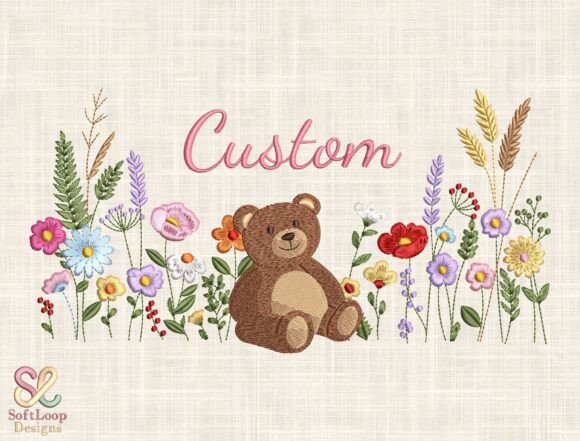
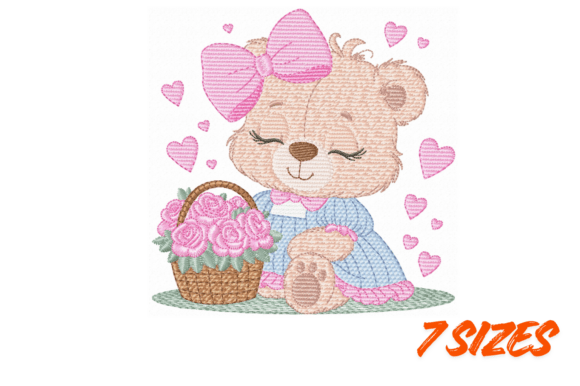
The Cute Bear Embroidery Design immediately gives off a warm, inviting vibe. With its teddy bear girl motif paired with flowers and hearts, the overall look is soft, whimsical, and ideal for businesses targeting a family-friendly or handmade audience. While the title and description don’t specify stitch count or file formats, they do mention compatibility with multiple embroidery machine files — a good sign for versatility. This design feels more like a handmade product than a mass-produced logo, which can be perfect for niche brands looking to stand out with a personal touch.
Real-World Applications for Small Business Merch
Let’s break down how the Cute Bear Embroidery Design performs in various business contexts:
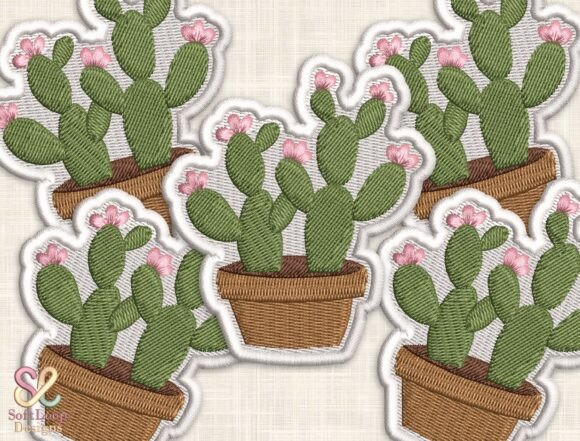
- Embroidered Patches: The design works well as a patch for tote bags, baby blankets, or even as a label on nursery décor items. Its floral and heart details add a decorative flair without overwhelming the piece.
- Staff Uniforms: On work shirts or aprons, the design can serve as a subtle chest logo accent or sleeve detail. It adds personality while keeping the uniform professional and cohesive.
- Cap Embroidery: Placed on the front of a cap, the bear motif becomes a conversation starter. However, due to its detailed nature, careful placement is essential to avoid distortion on curved surfaces.
- Tote Bag Design: For tote bags used in boutiques or cafés, this design can be embroidered near the handles or centered on the bag. It elevates the item from generic to memorable, especially when paired with a handwritten-style store name.
- Product Packaging Accents: When applied as a small embroidered patch on reusable packaging or gift boxes, the design reinforces a brand identity that is both cute and consistent with your handmade presentation.
- Boutique Merchandise: From pillows to towels, the design brings a cozy, homey feel. This makes it a great choice for shops selling lifestyle products, particularly those with a focus on children or home décor.
- Customer Gifts: As part of event merch or customer appreciation gifts, this design can be stitched onto small items like keychains or baby onesies, adding charm and making your brand more approachable.
- Etsy Branding & Craft Business Assets: Handmade sellers will appreciate the nostalgic quality of this design. It fits well within a collection of small business merch items that emphasize care, creativity, and attention to detail.
- Commercial Embroidery Projects: If you're working with a client who wants to create branded merchandise in-house or through a third party, this digital embroidery file can serve as a strong asset provided you follow best practices.
Where to Use with Caution
While the Cute Bear Embroidery Design is versatile, there are several situations where extra care is needed:
- Small Patch Sizes: The intricate flower and heart elements may become less clear when scaled down. Always check how it looks at the intended size before finalizing production.
- Cap Fronts and Curved Surfaces: Due to the curvature of caps, the design might need slight adjustments to maintain its shape and alignment. Consider using a smaller version or simplifying the layout for better results.
- Tiny Lettering or Text Elements: If the design includes text (even though it doesn't appear to), readability could be compromised unless font size is increased significantly.
- High Stitch Density Areas: The floral and heart details suggest potential for high stitch density, which can cause puckering or stiffness on delicate fabrics. Monitor the coverage area and adjust as necessary.
- Textured Fabric: On materials like flannel or canvas, the design may lose some of its fine detail. A test run on actual fabric is recommended to ensure clarity and durability.
- Dark Uniforms: Thread color contrast is important for visibility. If using this design on darker backgrounds, consider light-colored thread or reverse appliqué techniques to keep it legible.
- Items That Need Frequent Washing: Since the design is described as decorative rather than structural, it’s important to verify if the embroidery technique used will hold up over time. Reinforcement or backing material may be necessary for longevity.
Impact on Brand Identity and Customer Perception
Branding is more than just a logo — it’s about creating an emotional connection with your customers. The Cute Bear Embroidery Design has a distinct personality that leans toward playful and elegant. It’s not a bold statement, but rather a gentle reminder of warmth and care, which can be very effective for local businesses such as bakeries, pet brands, or creative studios.
This design can help increase customer trust by reinforcing a consistent visual language across all design assets. Whether it appears on an apron or a branded towel, it contributes to a cohesive brand identity that customers will begin to recognize and associate with your business.
When considering product value, embroidered designs like this one elevate the perceived quality of items. Even if the underlying product is simple, the addition of thoughtful, high-quality embroidery can make it feel premium and handcrafted — a huge plus for Etsy sellers and handmade brands aiming to justify higher price points.
Designer Notes for Implementation
To ensure the best outcome when using the Cute Bear Embroidery Design for your custom apparel or machine embroidery design projects, here are some practical tips:
- Test in Black and White First: Before finalizing thread colors, see how the design reads in grayscale to evaluate contrast and balance.
- Check Small Patch Size Performance: Print or simulate the design at the smallest intended size to confirm it remains legible and retains its charm.
- Review Thread Color Contrast: Choose colors that pop against your fabric, especially if the background is dark or patterned.
- Inspect Spacing and Proportions: Ensure the bear and surrounding elements are spaced appropriately to prevent overcrowding or misalignment.
- Confirm Hoop Size Requirements: Though hoop size isn’t specified, it’s critical to know whether your machines can accommodate the design. If unsure, reach out to the seller for specifics.
- Test on Real Fabric: Always do a trial run on the same type of fabric you plan to use for the finished product to assess stitch tension and appearance.
- Use Proper Stabilizer: Especially for delicate or stretchy materials, the right stabilizer will make all the difference in preserving the design’s integrity.
- Create a Printable Mockup: Present a mockup to your clients so they can visualize how the design will look on their merchandise. This helps avoid last-minute changes and ensures satisfaction.
- Compare Beside Other Design Assets: Make sure the Cute Bear Embroidery Design complements your existing branding elements for visual consistency.
- Confirm Commercial Licensing: Before using the digital embroidery file for commercial embroidery purposes, verify that you have the appropriate license to sell items featuring the design.
Final Thoughts on Cute Bear Embroidery Design
The Cute Bear Embroidery Design is a valuable design asset for businesses seeking to add a touch of warmth and creativity to their merchandise. It aligns well with the handmade product ethos and can be adapted for multiple uses, from apron embroidery to promotional tote bag designs. However, its decorative nature means it requires thoughtful application to remain functional and impactful in commercial settings.
If you’re in the market for a machine embroidery design that reflects a kind, artistic brand, this one is worth considering — especially for small business merch that benefits from a softer, more personalized look. Just remember to tailor its use based on fabric type, placement, and scale, and always double-check licensing terms before moving into full-scale production.